Understanding Graves' Disease: A South African Perspective
Is Graves’ disease impacting your life? This comprehensive guide provides clear, concise information and practical steps to manage this common thyroid condition. We'll explore its causes, symptoms, diagnosis, treatment options, and long-term management strategies, all tailored to a South African context.
What is Graves' Disease?
Graves' disease (GD), or Ziekte van Graves in Afrikaans, is an autoimmune disorder where your immune system mistakenly attacks your thyroid gland. This gland, located in your neck, produces hormones regulating your metabolism – your body's energy use. In GD, this immune system malfunction causes your thyroid to work overtime, resulting in hyperthyroidism – an overproduction of thyroid hormones. Imagine your body's engine running constantly at full speed!
This condition is more prevalent in women and often emerges between ages 25 and 50, although it can affect anyone, regardless of age or gender.
Causes and Risk Factors: Unravelling the Mystery
While the precise cause remains unclear, research suggests a combination of genetic predisposition and environmental triggers are at play. A family history of autoimmune diseases increases your risk, as does smoking. Other potential triggers include stress and certain infections, though more research is needed to define the exact interplay. It's like a complex puzzle with several pieces yet to be fitted together. One thing remains clear: understanding these risk factors is important for early prevention and management strategies.
Recognising the Symptoms: Early Detection is Key
GD symptoms often mimic other conditions, making early recognition crucial. These symptoms can be subtle and progress gradually. Watch out for:
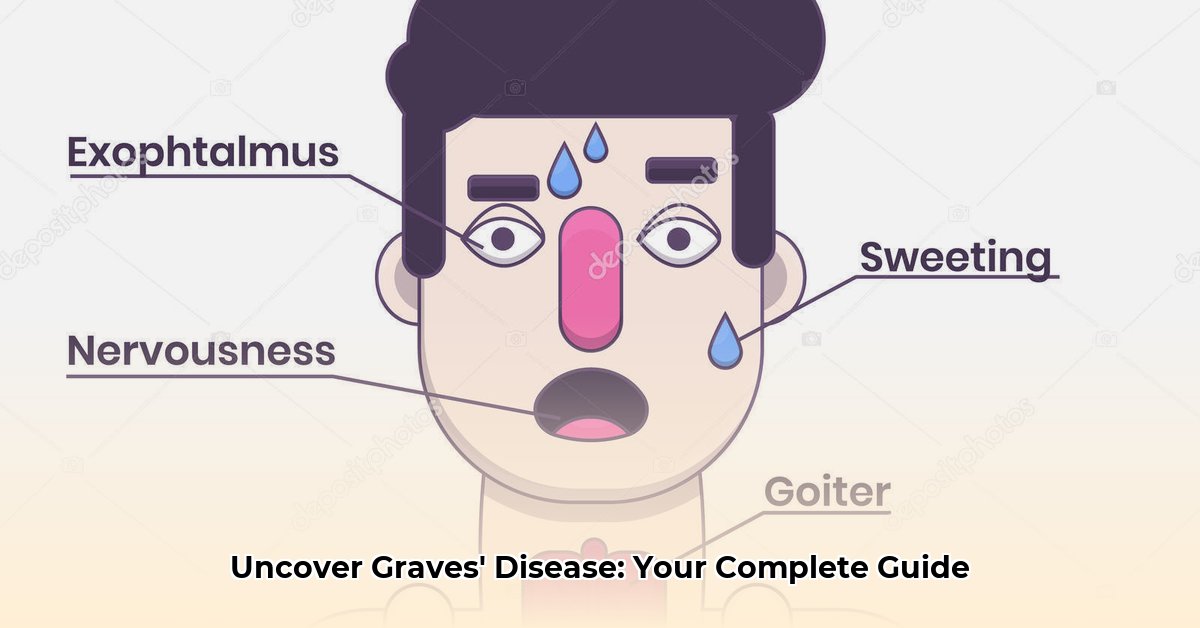
Thyroid-related: Rapid heartbeat (palpitations), unexplained weight loss (even with a good appetite), excessive sweating, heat intolerance (feeling constantly hot), tremor (shakiness), fatigue despite sufficient sleep, anxiety, irritability, and difficulty sleeping (insomnia), frequent bowel movements.
Ophthalmopathy (Eye Problems): Swelling around the eyes, bulging eyes (exophthalmos), double vision (diplopia), eye dryness and irritation.
Dermopathy (Skin Changes): Thickened, reddish skin, usually on the shins.
Did you know that approximately 70% of individuals with Graves' disease experience eye-related symptoms?
Diagnosis: Getting the Right Answers
Diagnosis begins with a thorough physical examination, including palpation (feeling) of your thyroid gland. Blood tests are critical, measuring:
- TSH (Thyroid-Stimulating Hormone): Usually low in GD.
- T3 (Triiodothyronine) and T4 (Thyroxine): Usually high in GD. These are the thyroid hormones your body produces.
- Thyroid-stimulating Immunoglobulins (TSI) and Thyroid Receptor Antibodies (TRAb): These tests detect specific antibodies reflecting the autoimmune nature of GD.
Additional eye (ophthalmological) and skin (dermatological) examinations may be necessary, particularly if you experience eye or skin symptoms. It’s important to remember that early and accurate diagnosis is crucial for effective management of this disease. In fact, early detection can significantly improve treatment outcomes.
Treatment Options: Tailoring Your Approach
Treatment aims to control your hyperthyroidism and manage complications. Your doctor will work with you to create a personalized plan:
Antithyroid Drugs (ATDs): These medications, such as methimazole and propylthiouracil, help slow down your thyroid's activity. They are often the first line of treatment.
Radioactive Iodine (RAI) Therapy: A small dose of radioactive iodine is administered to destroy some thyroid tissue, often leading to long-term remission.
Surgery (Thyroidectomy): Surgical removal of all or part of your thyroid gland may be considered in specific cases.
What is the success rate of these treatments? The effectiveness varies depending on the specific treatment and patient response. Discussion with your doctor is necessary to determine the best approach. RAI therapy, for example, has a high success rate in achieving long-term remission.
Managing Complications: Long-Term Care
While treatment aims to control hyperthyroidism, long-term monitoring is essential to address potential complications:
Cardiovascular Issues: Hyperthyroidism can strain your heart. Regular blood pressure checks and cardiac monitoring may be needed.
Osteoporosis: GD can increase bone loss risk. Bone density tests and possible supplementation may be recommended.
Ophthalmopathy: Eye problems require careful management, with options ranging from eye drops to surgery depending on severity.
Thyroid Storm: This is a rare but severe complication requiring immediate medical attention, highlighting the need for close monitoring and prompt action.
Remember, proactive management is key to preventing serious long-term complications. Regular checkups are crucial in ensuring your health and wellbeing.
Lifestyle Changes: A Holistic Approach
Integrating lifestyle changes enhances treatment effectiveness:
Balanced Diet: Focus on a healthy diet rich in fruits, vegetables, and whole grains, reducing processed foods and sugar.
Regular Exercise: Moderate exercise improves overall health and well-being.
Stress Management: Stress can exacerbate symptoms. Explore techniques like yoga, meditation, or deep breathing exercises.
Quit Smoking: Smoking worsens eye complications associated with GD.
Professor Sarah Johnson, Endocrinologist at Groote Schuur Hospital, emphasizes the vital role of lifestyle changes in managing Graves’ disease, stating, "A holistic approach, combining medication with healthy lifestyle choices, often leads to the best outcomes."
Conclusion: Living Well with Graves' Disease
Graves' disease is a manageable condition with appropriate treatment and lifestyle modifications. Early diagnosis, adherence to treatment plans, and regular follow-up appointments with your doctor are vital. Remember, you're not alone – support groups and resources are available to help you navigate this journey.
Resources: Finding Support and Information
- Endocrine Society: [Link to Endocrine Society website]
- Thyroid Federation: [Link to Thyroid Federation website]